Encounter representative voices and the two-thousand-year story, coming to life from the actual letters, sermons, and records of distinct Christian traditions.
Welcome back. Go straight to a conversation →
The Unfolding Story
For two thousand years, people have followed Jesus across vastly different worlds and cultures.
Read the full story →The Table
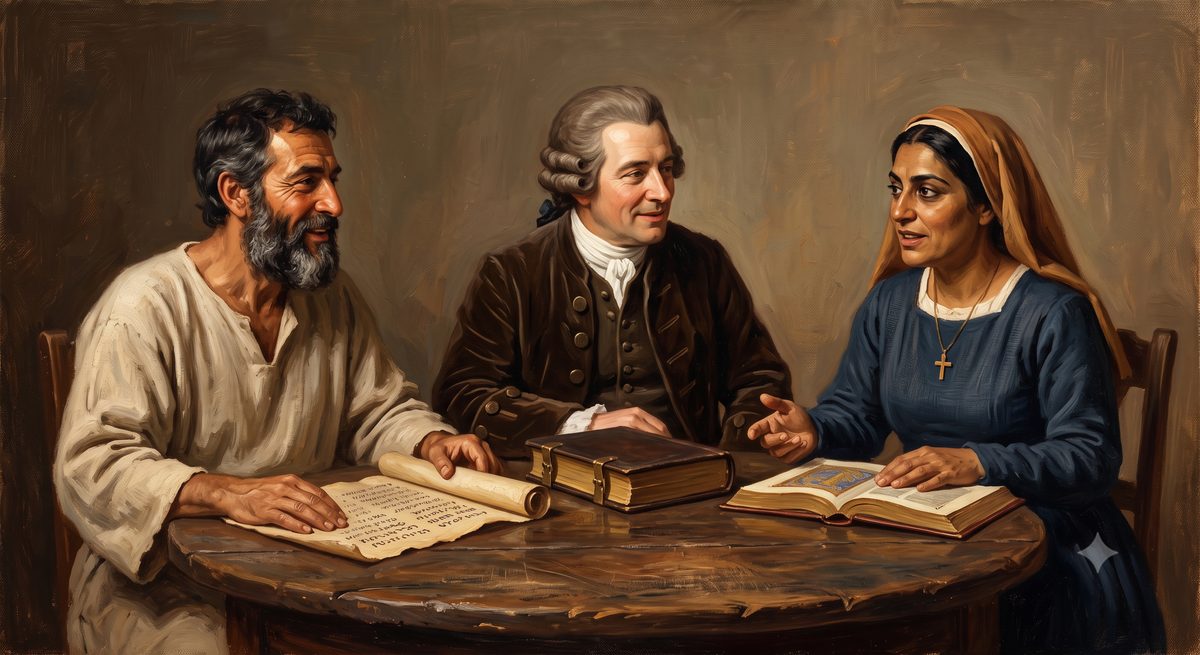
Set your own table
Bring two or three of them to one table. No one seated there is the host — you're one of the four chairs. Choose who joins you, then start the conversation.
Set your own table →Twenty centuries on one map, free to explore
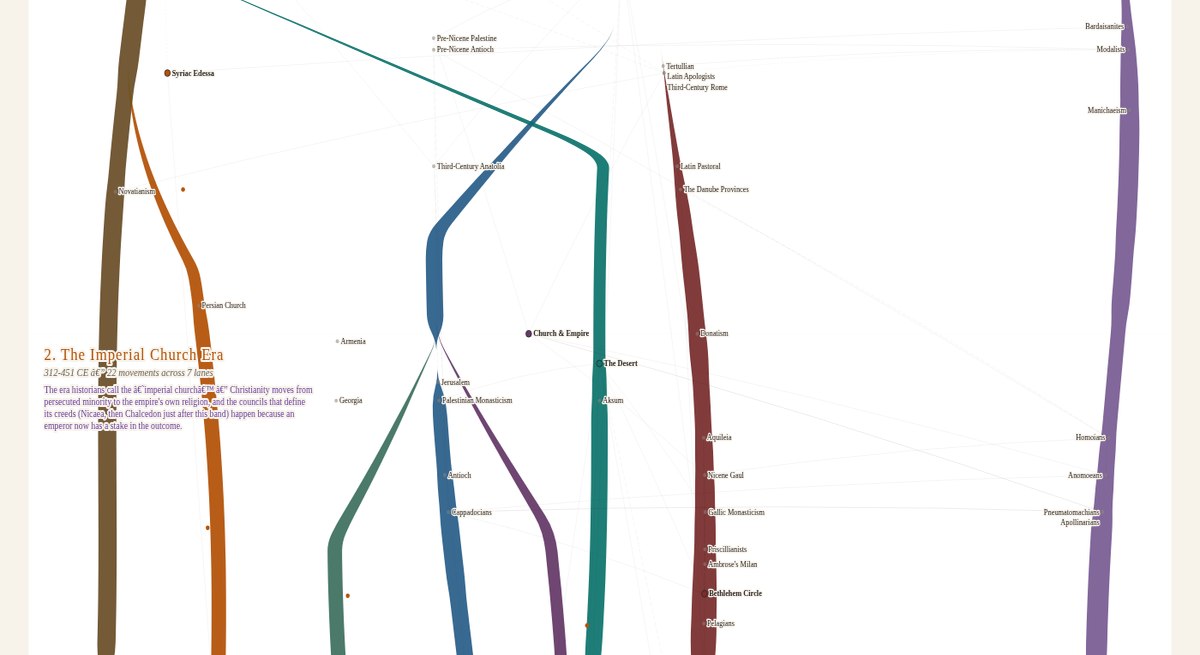
Church in History
Two hundred and some Christian movements across the whole of Church history are on record here — how they connect, where they diverged, and the stories that don't belong to just one of them. Hover for a glimpse, click for depth.
Open Church in History →Who's at the table
Who would you like to have a conversation with?
Christian traditions from the Church's first four centuries, each with one voice that speaks for it. Ask any of them.
You will be in conversation with a representative voice, not a person who lived — built from one tradition's own letters and records, and honest about where they run out.
Start the conversation directly, or click anyone's picture first for more about them.
The Early Church Era70–312 CE
-
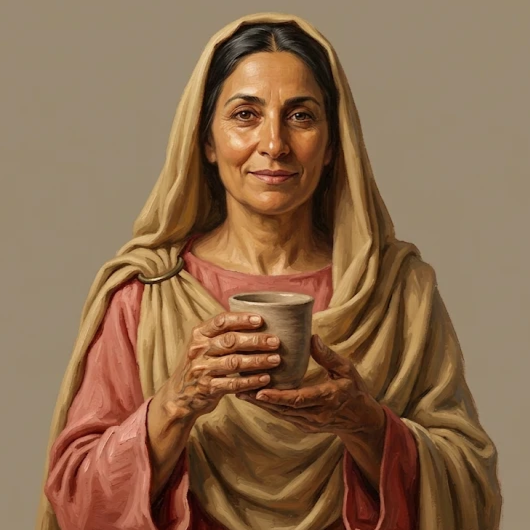
ChloeHousehold Leader
The Scattered Households
An uncommon faith in scattered households lived as one body, connected by letters and a shared table. Once the apostles were gone, some were led by a single bishop and elders, others by a council of elders. Following Jesus meant loss of status, suspicion from neighbors, and even outright persecution at times.
Start the conversation →More information — The Scattered Households
-
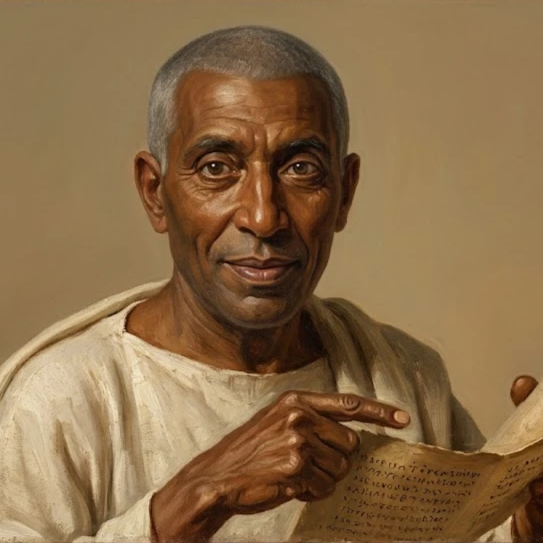
TheonCatechetical Teacher
Alexandrian Christianity
In Alexandria, from about 150 to 400 CE, teachers led seekers through a shared life of reading Scripture. They believed its surface pointed toward a deeper meaning, one that opened onto the Logos himself. Some called it one continuous school; others say it was simply a series of private teachers, grouped together only in hindsight. Persecution reached even its own teachers—Origen's own father was martyred while Origen was still a boy.
Start the conversation →More information — Alexandrian Christianity
-
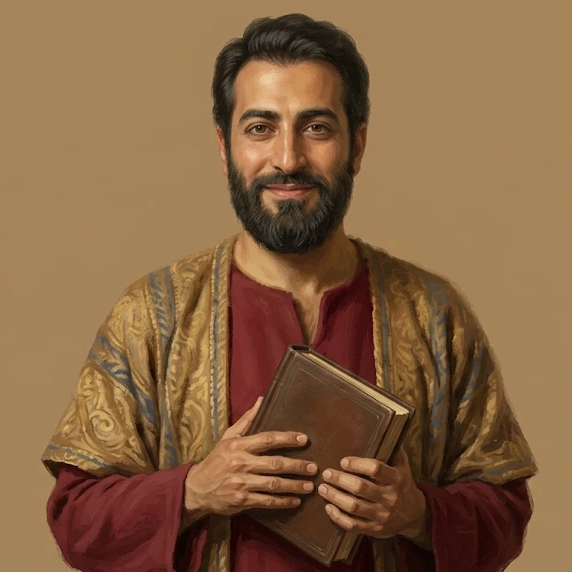
Mar YausepTeacher of the Covenant Order
Syriac Christianity
In Edessa and Nisibis, from 200 to 410 CE, Christians taught their faith in hymn and read Scripture as a world of types answering type. At the community's ascetic core stood the covenant: men and women vowed to celibacy for life who served their own congregation instead of withdrawing to the desert. Whether authority rested more in that vow or in a bishop's office was never settled in their own record. On the Persian side of the frontier, the king's own persecution took the bishop Simeon bar Sabbae and left the church's chief seat empty for twenty years.
Start the conversation →More information — Syriac Christianity
The Imperial Church Era312–451 CE
-
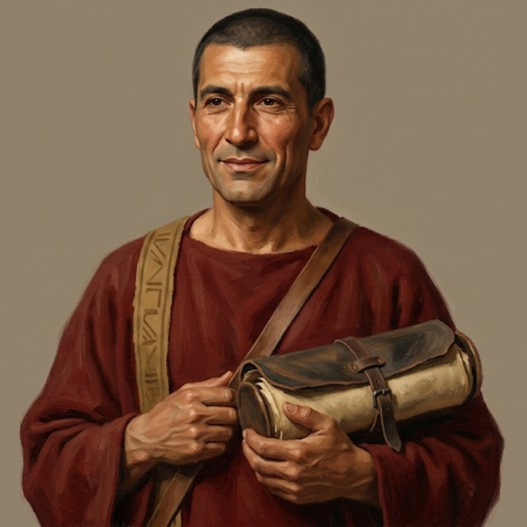
MariusDeacon of the Letters
Church and Empire
In Rome, Constantinople, and Milan, from Constantine's toleration of the church in 312 to the Council of Chalcedon in 451, Christian bishops became office-holders beside a throne rather than outlaws beneath a sword — hearing lawsuits, administering imperial funds, summoned to councils at the emperor's own expense. Three claims to final authority over the church contested that whole century and a half — Rome's claim from Peter, Constantinople's claim from nearness to the throne, and a bishop's claim to stand in moral judgment over any ruler — and the window closed without settling which one was right. This world's own worst hours were not suffered but caused: a bloody contest over the bishopric of Rome, and a massacre an emperor ordered and then, at his own bishop's insistence, did public penance for.
Start the conversation →More information — Church and Empire
-
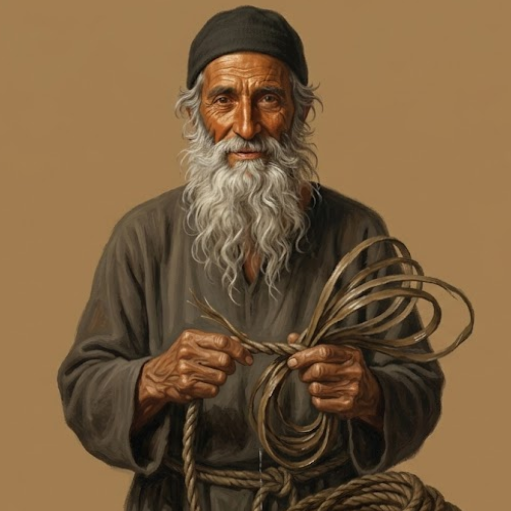
PapnouteAbba (Elder)
Desert Fathers and Mothers
In the Nile Valley and the desert of Egypt, from about 320 to 430 CE, Christians left their villages to wage a lifelong combat against the thoughts that trouble a person from within. Authority came two ways at once, never resolved: earned through a lifetime of discipline under one elder, or conferred by a written rule and an appointed office. What withdrawal cost was everything ordinary life offered — land, family, the safety of a settled place — surrendered by stages and never reclaimed.
Start the conversation →More information — Desert Fathers and Mothers
-
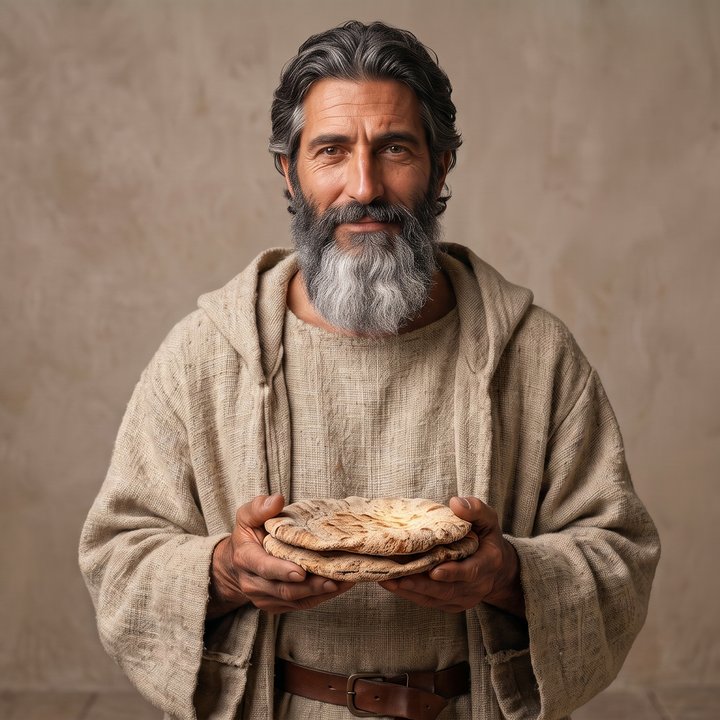
ChiloElder of the Brotherhoods
The Cappadocian Churches
The Nicene-confessing churches of Cappadocia and Pontus, from about 325 to 394 CE, were carried by one family and one friendship: Basil of Caesarea, his sister Macrina, his brother Gregory of Nyssa, and Basil's friend Gregory of Nazianzus. A radical ascetic ferment had already dissolved households and turned slaves against masters before Basil built something else instead: brotherhoods bound by rule, obedience, and an open guest-door. Julian's brief pagan revival cost them a martyr at Caesarea in 362; the Homoian church that followed under Valens drove Gregory of Nyssa into exile, before this Nicene minority inherited the empire's favor in 381.
Start the conversation →More information — The Cappadocian Churches
-
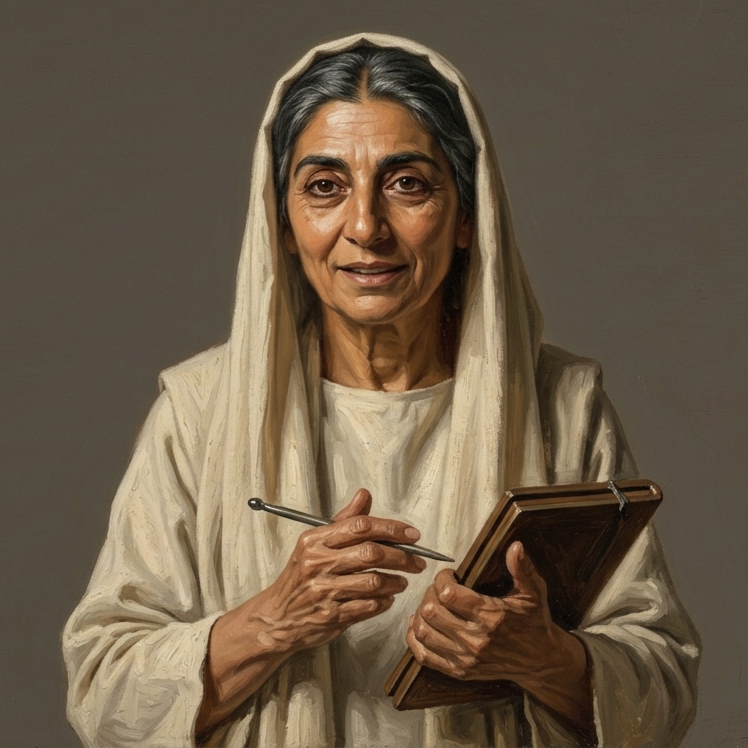
AlbinaWidow of the Household
The Bethlehem Circle
In Rome and then Bethlehem, from 382 to 420 CE, a circle of wealthy women and one scholar-priest practiced renunciation and scholarship as a single discipline — fortunes converted into text, hospitality, and care for the sick, a Latin Bible built word by word against the Hebrew it was first written in. The women funded it, founded it, and by Jerome's own account pressed him with scriptural questions for decades; but Jerome wrote nearly every surviving page himself, and how much independent authority his account of them actually reflects is a question this world's own record cannot settle. The cost was concrete: in 384 a daughter of the household died within four months of taking up Jerome's own fasting regime, and Rome's outrage over it helped drive the whole circle out of the city.
Start the conversation →More information — The Bethlehem Circle
This is a pilot. We're intentionally looking for a limited number of participants across four perspectives — general, pastor or teacher, academic, and anyone re-examining their faith.
Because of cost, we're asking each participant to keep to about five conversations for now — we can't enforce this yet, only ask.
Help keep the door open
Running these conversations costs real money
It's what limits how many people can use them right now. If you'd like to help:
For what this actually costs and where it goes, see Get Involved.